
PE-Lined vs PLA-Lined vs Water-Based Coated Paper Cups: A Buyer's Comparison
October 15, 2026
What Does the Coating on a Paper Cup Actually Do?
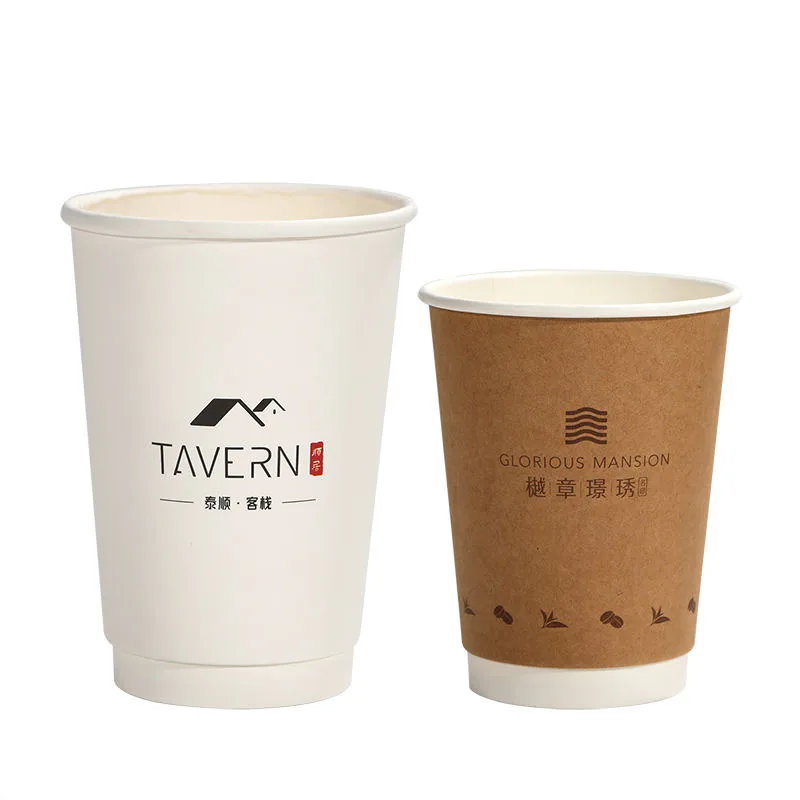
Every paper cup needs a thin waterproof layer on the inside so the board does not soak through. The coating is also what decides whether the cup can be recycled, composted, or neither - which is why the choice matters more than most buyers expect. The outside of the cup and your printed branding look the same on all three options; the difference is inside the cup and at end-of-life.
PE Lining: The Proven Default
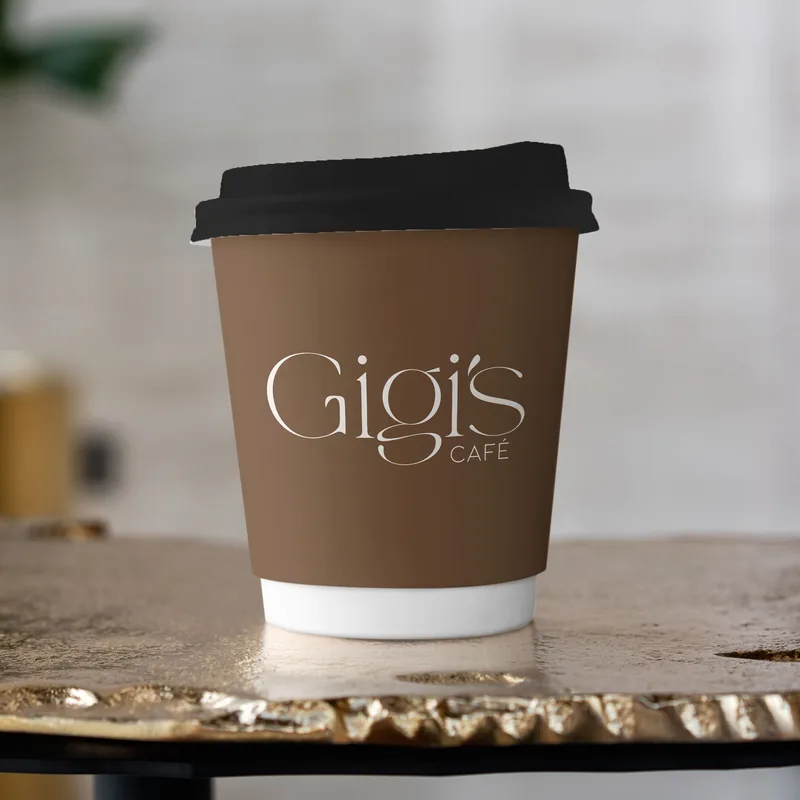
Polyethylene (PE) is the industry-standard lining. It handles boiling-hot drinks with zero leaks, stays stable in storage for years, and costs the least on high-speed production lines. The trade-off is end-of-life: PE-lined cups are difficult to recycle because the plastic film must be separated from the paper fibre, so most municipal paper streams reject them.
• Best for: budget-driven, high-volume programs
• Heat tolerance: excellent for hot coffee and tea
• End-of-life: limited recycling, goes to general waste in most regions
• Cost: the baseline all other linings are compared against
PLA Lining: Commercially Compostable
Polylactic acid (PLA) is a plant-based bioplastic. Certified PLA linings break down in industrial composting under the EN 13432 standard, and PLA cups handle hot drinks up to roughly 85 °C. Expect the lining to cost about 15-30% more than PE, and note that PLA cups only deliver their eco value if they actually reach a commercial composter - in landfill they perform no better than PE.
• Best for: cafes and venues with organics collection
• Heat tolerance: good for hot coffee, less tolerant of long-held very hot drinks
• End-of-life: industrial composting only; not accepted in paper recycling
• Storage: rotate stock; PLA degrades faster in hot, humid warehouses
Water-Based (Aqueous) Coating: Built for Recycling
Aqueous coating replaces the plastic film with a water-based barrier. The cup stays leak-proof and heat-resistant, but the board can be repulped in standard paper recycling - which is exactly where regulation is heading. For buyers selling into the EU, the PPWR requires all packaging placed on the market from August 2026 to be designed for recycling, and aqueous-coated cups are the option that fits paper recycling streams today.
Side-by-Side Comparison
| Factor | PE lining | PLA lining | Water-based coating |
|---|---|---|---|
| Relative cost | Lowest | 15-30% higher | Medium to higher |
| Hot drink performance | Excellent | Good (up to ~85 °C) | Good |
| Kerbside paper recycling | No | No | Yes, in most paper mills |
| Compostable | No | Yes, industrial (EN 13432) | No |
| Best for | Budget, high volume | Compost-access venues | Recyclability goals |
How to Decide in Three Questions
• Does your market have composting collection? If yes and your brand story is sustainability, PLA works.
• Is recyclability or future regulation your driver? Choose water-based coating.
• Is unit cost the top priority? PE is still the honest answer for high-volume, low-margin programs.
One practical warning: whatever lining you pick, do not print compostability or recyclability claims on the cup unless the specific cup and lining carry a valid certificate - regulators in the EU, UK and Australia are actively pursuing misleading environmental claims.
GreenZone Pack offers aqueous and PLA coated paper cups as well as standard PE-lined options across single wall, double wall and mini sizes, all produced in FDA- and ISO-certified facilities. If you are unsure which lining fits your market, send us your region and menu and we will recommend the most practical option.
Can I switch linings without changing my artwork?
Yes. The lining is inside the cup, so printing quality and colour matching are unchanged. Check any environmental claims printed on the cup before you switch, because a PE cup must not carry compostability messaging.
Are PLA-lined cups home compostable?
Generally no. Standard PLA linings are certified for industrial composting (EN 13432), which needs commercial temperature and humidity. Home-compostable certification exists but is rarer and should be verified per product.
Which lining should a new cafe choose?
Most new cafes start with PE-lined double wall cups for hot drinks on cost grounds, then switch part of the range to PLA or aqueous once they know their local waste options. Matching compostable cups with compostable lids keeps the message consistent.
Do lids fit the same across linings?
Lid fit depends on the cup rim diameter, not the lining. Rim diameters vary between manufacturers, so always order a sample pair of cup and lid before committing to a new supplier.
Not sure which lining fits your market? Tell us your region and drink menu, and we will send lining recommendations plus a sample kit. Free mock-up within 24 hours, FOB Shantou.