
PET vs PP Cups: Which Plastic Cup Is Right for Cold Drinks
October 15, 2026
The Short Answer
For cold drinks below 50 °C - iced coffee, bubble tea, smoothies, juices, desserts - choose PET. It offers glass-like transparency (over 90% light transmittance), rigidity for tall drinks, and fits mature recycling streams. Choose PP when drinks are hot at filling, when you need microwave tolerance, or when unit cost outweighs presentation.
PET Cups: Clarity Sells the Drink
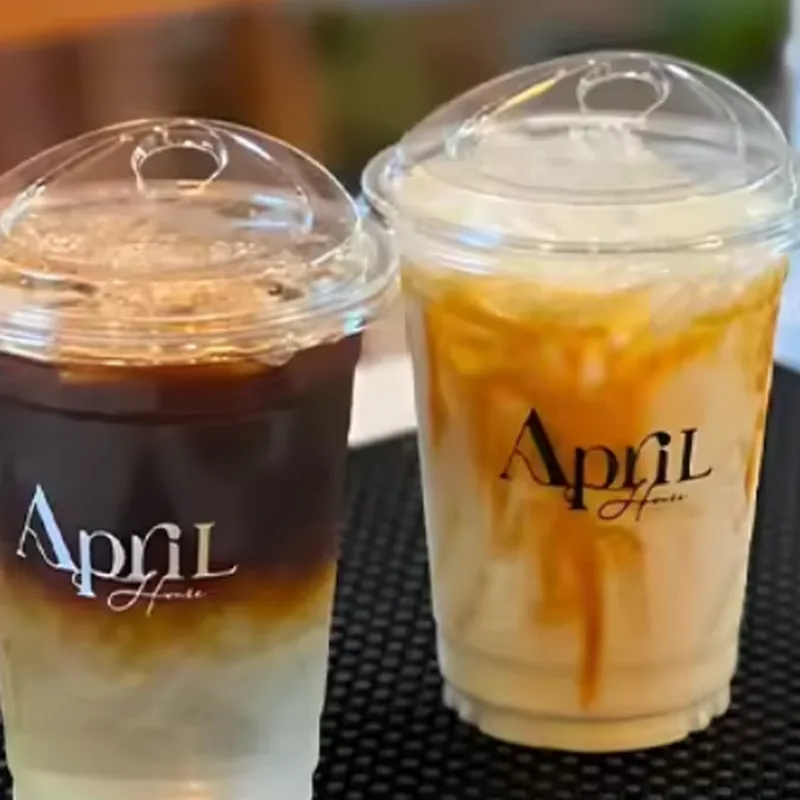
PET (polyethylene terephthalate) is the default for premium cold drinks. Layered beverages, fruit teas and acai bowls are part of the product - customers photograph them - so clarity directly drives perceived value. PET is lightweight but crack-resistant in delivery, BPA-free, and compliant with FDA and EU 10/2011 food contact requirements for cold drinks. Its recycling stream is the most developed of any plastic, which increasingly matters for brand ESG reporting.
• Light transmission: over 90% - glass-like clarity
• Best temperature range: cold and ambient drinks up to ~50-60 °C
• Recyclability: well-established PET stream; rPET variants growing fast
• Typical uses: iced coffee, bubble tea, smoothies, parfaits, salads
PP Cups: Heat Tolerance on a Budget
PP (polypropylene) handles temperatures up to roughly 90-95 °C, which makes it the choice for hot-fill drinks, soups and any menu item that goes near a microwave. The trade-offs: PP is translucent milky rather than clear, and it is slightly softer, so very tall skinny drinks feel less rigid. Unit cost is usually lower than PET at comparable volumes.
Side-by-Side Comparison
| Factor | PET cups | PP cups |
|---|---|---|
| Clarity | Crystal clear (>90%) | Translucent milky |
| Max service temperature | ~50-60 °C | ~90-95 °C |
| Rigidity for tall drinks | High | Medium |
| Recycling stream | Mature, high value | Established, lower value |
| Relative unit cost | Medium | Lower |
| Best for | Premium cold drinks | Hot-fill, budget programs |
What About rPET?
rPET cups made from recycled PET now come with recycled content from 30% up to fully recycled material, with little loss of clarity. Regulation is pushing this way: from 2030, EU rules require contact-sensitive PET packaging (excluding beverage bottles) to contain 30% recycled content. If you sell into Europe, asking your supplier about rPET options now is cheaper than switching under deadline pressure. See our clear PET iced coffee cups and PET dessert cups for current options.
Can PET cups handle hot coffee?
No. PET deforms around 60-70 °C and is not designed for hot fills. Use double wall paper cups for hot coffee, or PP cups where a plastic option is required.
Are PET cups safe for bubble tea with hot pearls?
Yes for typical serving temperatures. Freshly cooked pearls are usually cooled before serving; if your process fills above 70 °C, switch to PP.
Which material prints better for branding?
Both print well, but the market standard for full-colour 360-degree branding on cold cups is PET with digital or offset printing. PP is more common in solid-colour or simple logo printing.
Is one lighter for shipping than the other?
PET is generally lighter per cup at equal rigidity for cold drinks, which nudges freight cost down on large orders. For hot-fill programs PP remains the practical choice regardless of weight.
Send us your drink menu and fill temperatures - we will recommend PET, PP or a mix, with matching lids and a printed mock-up within 24 hours. FOB Shantou.