
Kraft vs White vs Metallized Snack Pouches: Barrier, Shelf Life and Cost
November 06, 2026
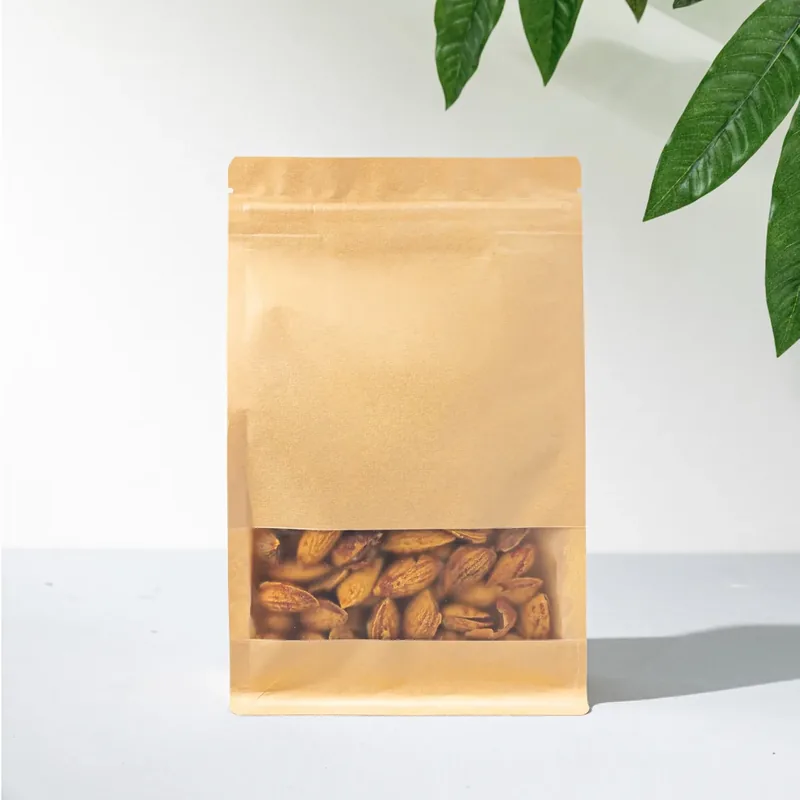
Kraft pouches sell a natural look but give the weakest moisture barrier of the three. White paper prints the sharpest and sits in the middle on cost. Metallized film gives the longest shelf life and the lowest cost per gram of protection, but it looks industrial. Choose by the product's sensitivity and the shelf life you promise, then let the finish follow.
What each material actually protects against
Snack deterioration is mostly moisture pickup and fat oxidation. Moisture makes crisps and crackers lose crunch; oxygen turns nuts and fried snacks rancid. A pouch's moisture vapour transmission rate (MVTR) predicts the first, and its oxygen transmission rate (OTR) predicts the second.
| Structure | MVTR (g/m²/day) | OTR (cm³/m²/day) | Typical shelf life | Cost index |
|---|---|---|---|---|
| Kraft paper / PE | 8–15 | 1,500+ | 3–4 months | 1.0 |
| White paper / PE | 6–10 | 1,000+ | 4–6 months | 1.1 |
| Metallized BOPP / PE | 1–3 | 50–150 | 6–9 months | 1.3 |
| PET / AL / PE | <0.5 | <1 | 9–12 months | 1.8–2.2 |
Those ranges are typical values for the structures named, not a promise for a specific order. Ask for the test report on the exact laminate and grammage you are buying, at the temperature and humidity your product will see.
Print quality and shelf presence
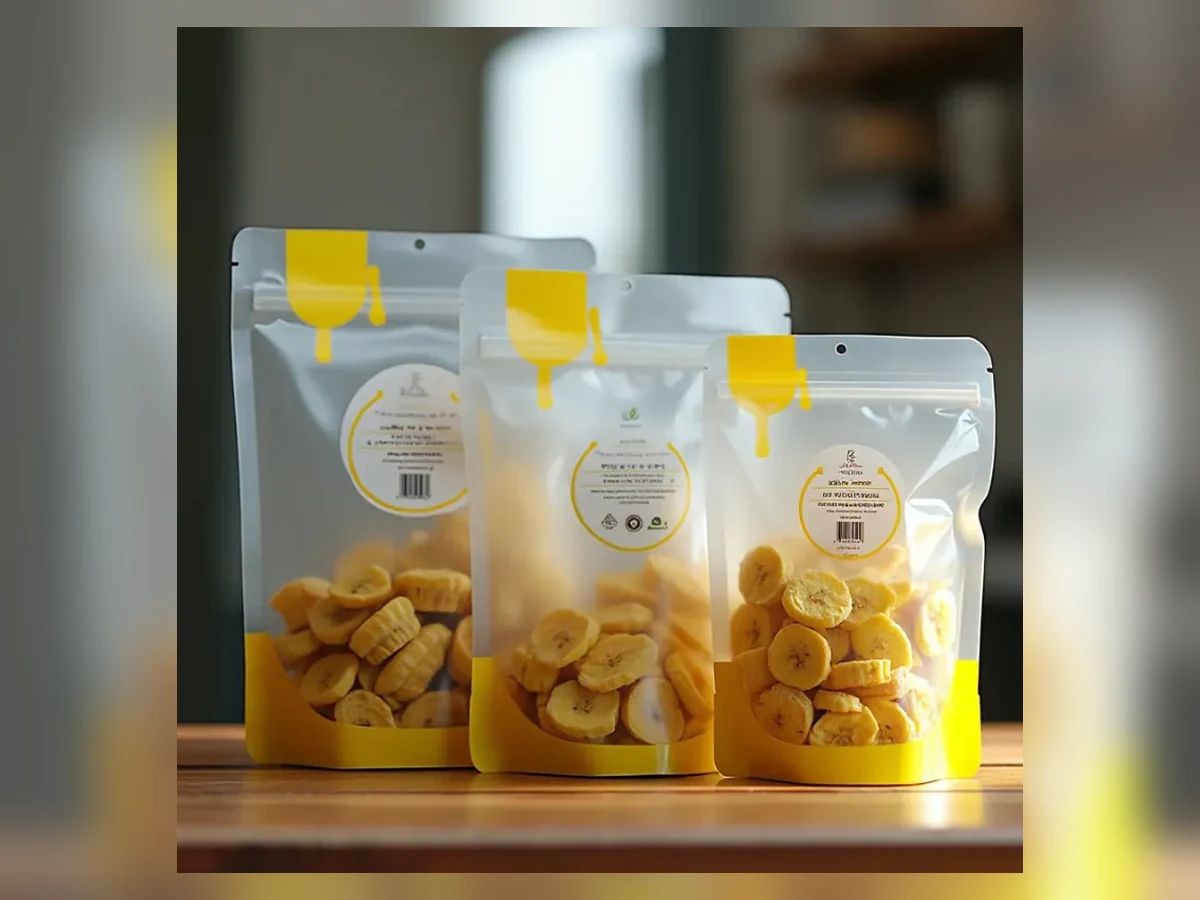
Kraft paper has a visible fibre and a warm tone, so white ink sits on top and dark colours look muted. It suits one- or two-colour brands and matte finishes. White paper takes four-colour process and fine detail cleanly. Metallized film reflects light, so colours shift unless the design uses a white underprint, which adds a print station and cost.
When kraft is the wrong choice
Kraft is a poor fit for products with a 9–12 month shelf life, for humid climates without secondary protection, and for anything with a high fat content where rancidity is the limiting factor. It is a good fit for short-shelf-life bakery, coffee sold within weeks, and brands where the paper look is the proposition.
A practical selection path
• Set the shelf life you will print on the pack, then work backwards to the barrier you need.
• Check the storage and transport humidity, not just the shop shelf.
• Decide whether the window is decorative or functional; a window changes the barrier.
• Confirm the print method can hold your design on the chosen substrate.
• Compare cost per finished pack at the same fill weight, not per kilogram of film.
Frequently asked questions
Is kraft paper packaging recyclable?
The paper layer is recyclable in principle, but the PE or foil lining usually has to be separated, and many kerbside programs will not take it. Check with your local waste contractor before printing a recyclability claim.
Can a kraft pouch have a high barrier?
Yes, by laminating aluminium foil behind the kraft. It costs more and loses some of the natural look, but it is a valid route when the brand wants kraft outside and shelf life inside.
Do metallized pouches need a minimum order?
Custom printed metallized pouches typically start at 5,000–10,000 pieces per design. Stock metallized bags can be ordered in smaller quantities for testing.
Which pouch type works best for snacks?
Stand-up pouches for shelf display, flat bottom pouches for larger bags that must stand firmly, and side gusset bags for coffee-style packing. The format affects how much film you use per pack.
Tell us the product, target shelf life and fill weight, and we will recommend the structure and format with a barrier figure you can check.
Related reading
• Kraft paper bags with window