
Cup Lids Explained: 80, 90 and 98 mm Sizes, Materials and Lid Fit
November 01, 2026
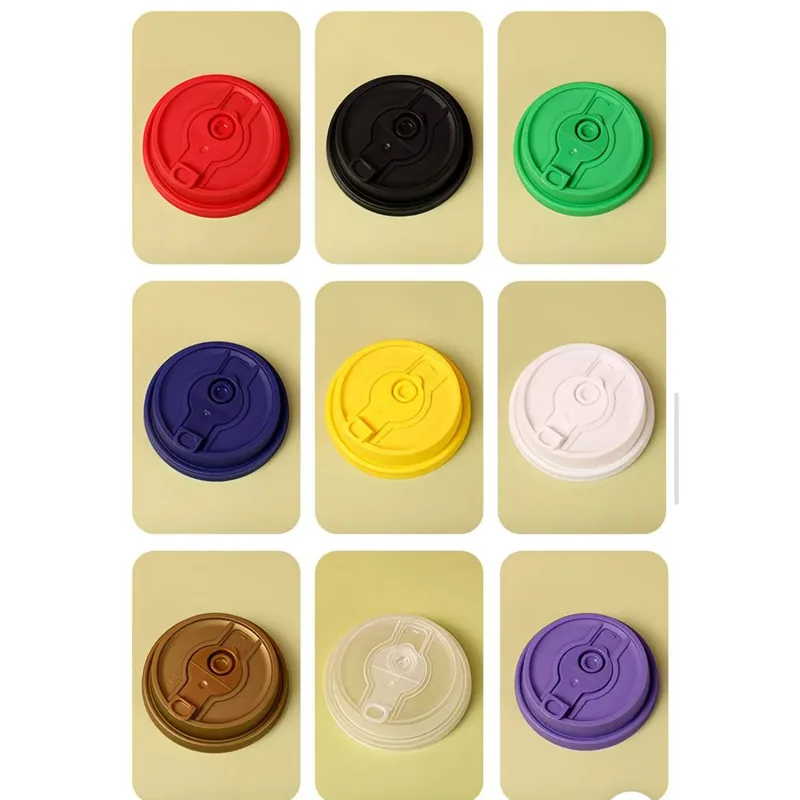
Cup lids are sized by rim diameter, not by volume. The three sizes that cover most foodservice programs are 80 mm for 4–8 oz cups, 90 mm for 8–16 oz cups and 98 mm for 16–24 oz cups. A lid that is 1 mm off the rim will still snap on, but it will leak under tilt and pop off when the cup is squeezed.
This guide explains how the three diameters map to cup sizes, how PS, PP, PET and bagasse lids differ, and how to run a fit check before you commit to a production run.
Why rim diameter decides everything
Two cups can both be called 16 oz and still have different rims. Paper cup rims are rolled, and the finished outside diameter depends on the board thickness and the roll profile. Typical production tolerance is ±0.3 mm. Once the rim is outside the lid's inner groove by more than about 0.5 mm, the seal relies on friction instead of the groove, and that is where leaks start.
Ask for the rim diameter on the cup drawing, not the nominal size. If you are matching lids to cups from two suppliers, measure both with a caliper at three points around the rim and use the average.
| Lid size | Typical cup range | Common drinks | Rim OD to confirm |
|---|---|---|---|
| 80 mm | 4–8 oz | Espresso, flat white, kids' cups | 79.5–80.5 mm |
| 90 mm | 8–16 oz | 12 oz latte, 16 oz americano, bubble tea | 89.5–90.5 mm |
| 98 mm | 16–24 oz | 22 oz iced coffee, milkshake, smoothie | 97.5–98.5 mm |
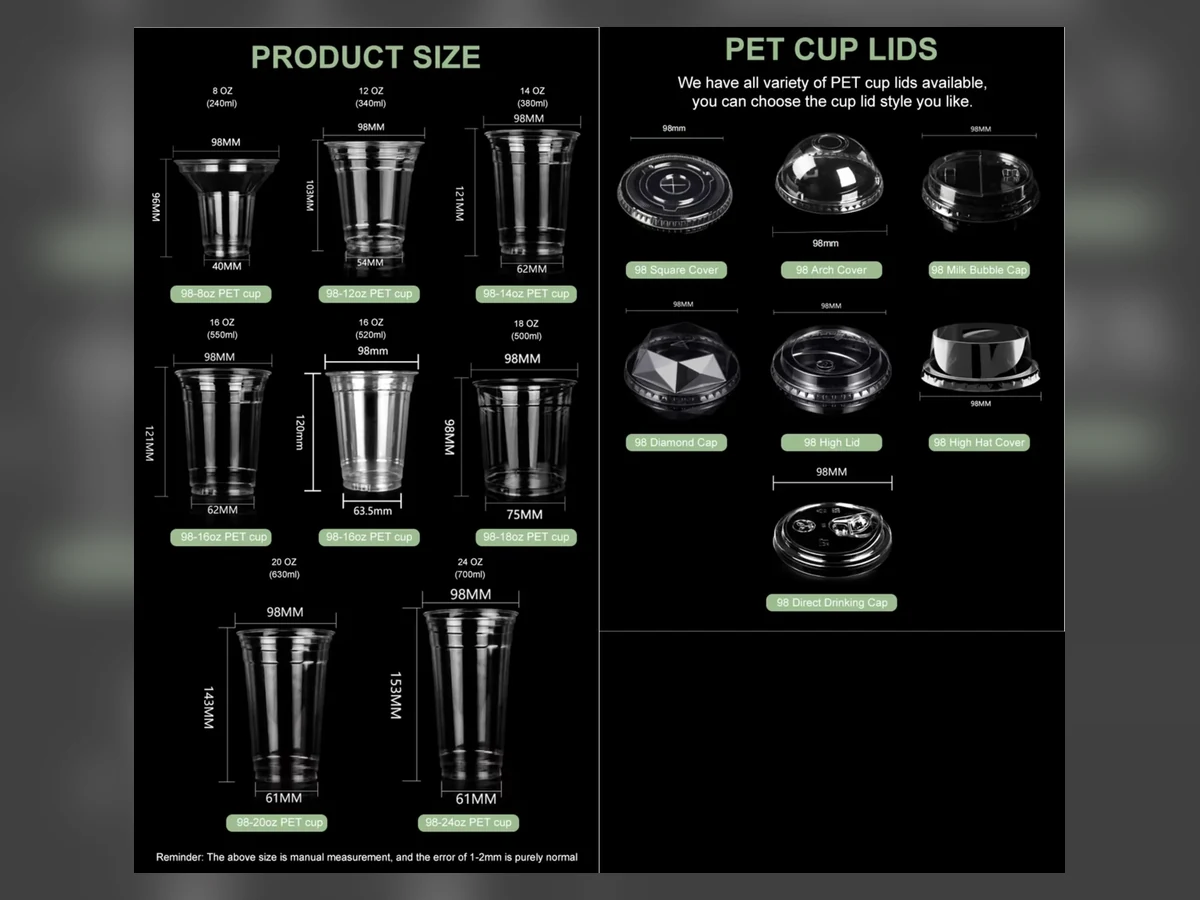
PS vs PP vs PET vs bagasse
Material choice follows the drink, not the price list. PS is rigid and cheap and works for cold drinks; it softens with hot liquid. PP takes hot drinks and is the default for coffee. PET gives the clearest look for iced drinks but is brittle when dropped. Bagasse and moulded fibre lids suit compostable programs and have a natural finish rather than a glass-clear one.
| Material | Clarity | Hot drinks | Cold drinks | Notes |
|---|---|---|---|---|
| PS | Clear | Not recommended | Yes | Lowest cost, cracks if crushed |
| PP | Translucent | Yes | Yes | Best all-round for coffee programs |
| PET | Crystal clear | No | Yes | Premium look for iced and dessert cups |
| Bagasse / moulded fibre | Opaque, natural | Yes | Yes | Compostable positioning, higher unit cost |
Dome, flat and sip lids
Flat lids stack tighter and take less shelf space. Dome lids give room for whipped cream, boba or fruit pieces and are the usual choice for 16–24 oz cold cups. Sip lids have a raised drink opening for hot drinks without a straw; straw-slot lids have a cut slot sized for 6–12 mm straws.
If your menu mixes whipped drinks and plain iced coffee in the same cup size, standardise on one lid family with both flat and dome versions, so staff do not have to sort lids by drink.
How to run a fit check
• Fill the cup with water at service temperature and close the lid by hand, as a customer would.
• Tilt 45 degrees for 30 seconds and hold upside down for 5 seconds over a tray.
• Squeeze the cup body firmly; the lid should stay seated at the groove.
• Stack six filled cups and leave for 10 minutes to check rim deformation.
• Repeat with the lid at the low end of its tolerance, not just the sample you were sent.
A lid that passes on a sample can still fail on a production lot if the cup rim runs large. Ask for the rim tolerance in writing and keep a go/no-go gauge on the packing line.
What to specify on the purchase order
• Cup rim outside diameter with tolerance, and the cup board thickness.
• Lid material, colour reference and whether the lid is printed or plain.
• Lid style: flat, dome, sip or straw slot, with slot width if applicable.
• Packing format: sleeves per carton, cartons per pallet, and pallet height.
• Test method agreed for leak and fit, so both sides judge pass/fail the same way.
Frequently asked questions

Can a 90 mm lid fit a 98 mm cup?
No. The groove cannot reach the rim, so the lid sits on top instead of locking. A 98 mm lid on a 90 mm cup is also wrong: it will be loose and leak. Always match the nominal diameter and confirm the actual rim measurement.
Are lids interchangeable between suppliers?
Sometimes, and that is the risk. Diameters may match while groove depth and rim profile differ. If you switch cup suppliers, re-run the fit check before the first production order.
Which lid should I use for hot coffee?
PP is the safe default. PS lids can distort when the lid contacts hot liquid or sits under a heat lamp, and PET is too brittle for hot service.
What is the usual MOQ for custom printed lids?
Printed lids typically start at 5,000 pieces per design and colour, matched to the cup order. Plain lids in stock colours can be ordered in smaller quantities.
Need lids matched to cups you already buy? Send us the rim diameter and a photo of the cup, and we will confirm the lid size and material before you order.
Related reading
• Colored coffee cup lids with brand matching