
Coffee Bag Sizes and Fill Weights: 250 g, 340 g, 500 g and 1 kg Explained
October 17, 2026
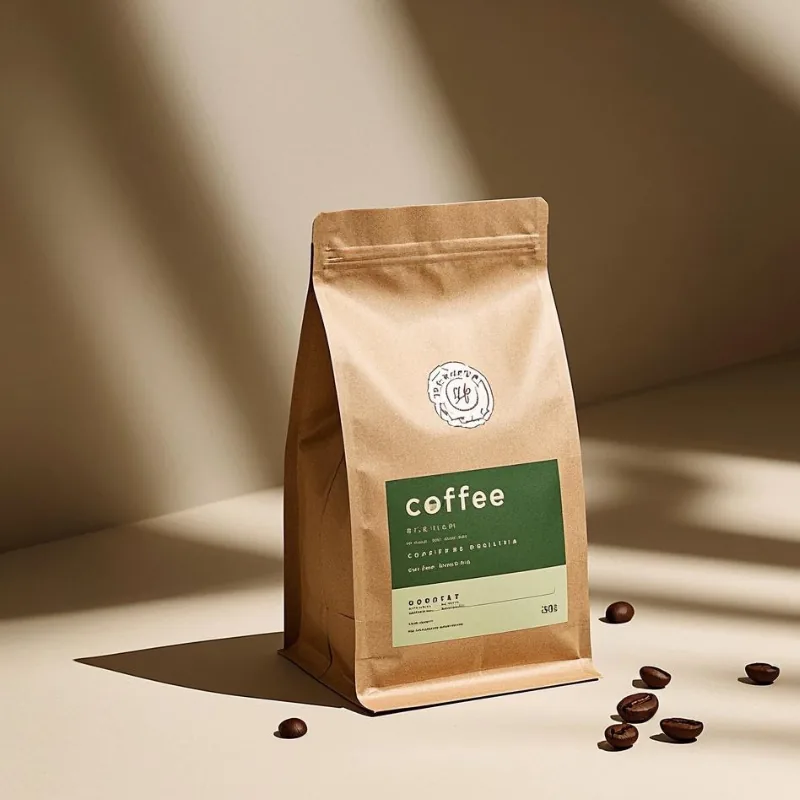
Coffee is sold by weight but packed by volume - and volume changes with roast level, grind and gas. A 250 g bag that fits a light-roast whole bean can be too tight for the same weight of dark-roast beans. This guide gives the standard coffee bag size chart for 250 g, 340 g, 500 g and 1 kg fills, then explains the three factors that move the numbers, so your custom coffee bags arrive the right size the first time.
Standard Coffee Bag Size Chart
Dimensions are quoted as width × height + gusset. These are the sizes most packaging suppliers work to; always confirm with a fill test on your own roast:
| Fill weight | Typical bag size (W × H + gusset, mm) | Valve position below top seal | Typical use |
|---|---|---|---|
| 250 g (8.8 oz) | 130 × 200 + 70 | about 40 mm | European and Asian specialty retail |
| 340 g / 12 oz | 140 × 220 + 80 | 40 to 45 mm | North American retail standard |
| 500 g | 160 × 240 + 90 | about 45 mm | Household packs, small cafés |
| 1 kg / 2 lb | 190 × 320 + 110 | about 50 mm | Café supply, B2B food service |
Selling into North America? Retail convention runs in ounces: 8 oz (227 g), 10 oz (284 g), 12 oz (340 g) and 2 lb (907 g). Matching your bag to these weights makes your coffee easier to compare on shelf and in e-commerce listings.
Why Weight Alone Doesn't Decide the Size
• Roast level: dark-roast beans expand and hold less moisture, so the same 250 g takes up more volume. Dark-roast espresso brands often size up one step - a 340 g-volume bag for a 250 g fill.
• Whole bean vs ground: ground coffee packs roughly 15 to 20 percent denser than whole bean, so the same bag looks under-filled with grounds. Redesign the front panel or size down for ground SKUs.
• Nitrogen flush: gas-flushed bags are filled under pressure and need slightly more headspace - tell your supplier the fill method before the dieline is finalised.
• Degassing: coffee packed on roast day settles as CO2 leaves over the following days; the bag needs room to take up the slack.
Headspace: The Reason You Never Fill to the Top
A freshly roasted bean keeps releasing carbon dioxide for one to two weeks after roasting, with the most vigorous release in the first 24 to 72 hours. Fill a bag to the top and that gas has nowhere to go: the bag balloons, stresses the seal and can burst in transit. Too much headspace is just as costly - the extra air is extra oxygen working on your coffee. The working rule: leave roughly 20 percent headspace, use a one-way degassing valve for fresh-roast fills, and if you gas-flush, target a residual oxygen level of 2 percent or below inside the bag.
Valve Position Changes With Bag Size
The valve sits below the top seal - roughly 40 mm for a 250 g bag, rising to about 50 mm for 1 kg - and should stay clear of seams and folds so the flange seals onto flat film. Fix the valve position at the dieline stage, because moving it after printing is not possible.
FAQ
What size bag do I need for 1 kg of coffee beans?
A 1 kg whole-bean fill typically needs a bag around 190 × 320 mm with a 110 mm gusset. Dark roasts may need slightly more volume - confirm with a fill test on your actual roast.
Will the same bag work for whole bean and ground coffee?
It holds the weight, but ground coffee is denser, so the bag can look half-empty and carry excess headspace. Many roasters size ground SKUs into a smaller bag or redesign the front panel.
How much headspace should a coffee bag have?
Around 20 percent above the fill line is a practical starting point - enough room for CO2 and settling without wasting barrier film on trapped air.
Can I mix bag sizes in one order?
Digital printing usually allows several sizes or designs in one run; gravure pricing treats each size as its own SKU. Ask your supplier to quote both ways before you commit.
Why does my 250 g dark roast not fit a standard 250 g bag?
Dark-roast beans are less dense than light roasts. Size the bag for your heaviest, puffiest SKU and run a fill test before printing.
Not sure which size fits your roast? Send us your fill weights, roast levels and fill method - we offer free sizing advice, fill-test guidance and dielines for every format. FOB Shantou.