
Coffee Bag Closures Compared: Zipper, Tin Tie, Slider and Heat Seal
October 17, 2026
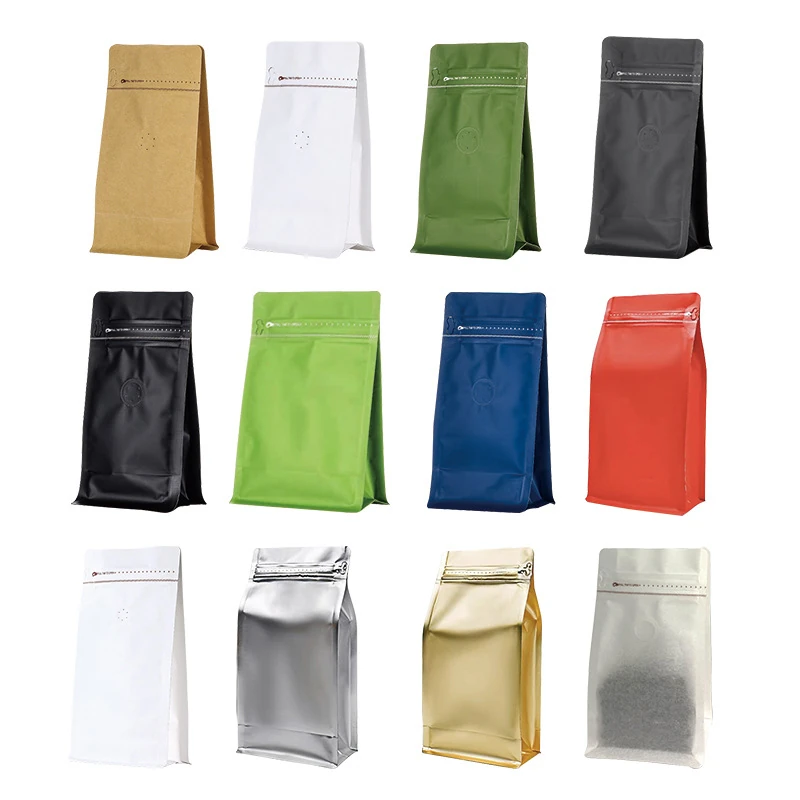
The closure decides what happens after your customer opens the bag for the first time - and that is where most freshness is lost. A heat seal plus a press-lock zipper is the retail standard because it combines an airtight factory seal with a resealable one; tin tie wins on cost and craft looks for café and wholesale bags; slider zippers add convenience at a premium. This guide compares the four coffee bag closure options so you can pick the right one for each channel.
The Four Closure Options at a Glance
| Closure | Seal quality after opening | Relative cost | Best suited for |
|---|---|---|---|
| Press-lock zipper | High - near-hermetic when closed properly | Mid | Retail, e-commerce, ground coffee |
| Slider zipper | High - easier to close correctly | Highest | Premium and gift positioning, larger bags |
| Tin tie | Moderate - fold depends on user technique | Lowest | Cafés, bulk bags, fast turnover, craft look |
| Heat seal only | Airtight but single-use | Low | Wholesale packs opened once, sampler sachets |
The Retail Standard: Heat Seal + Zipper + Tear Notch
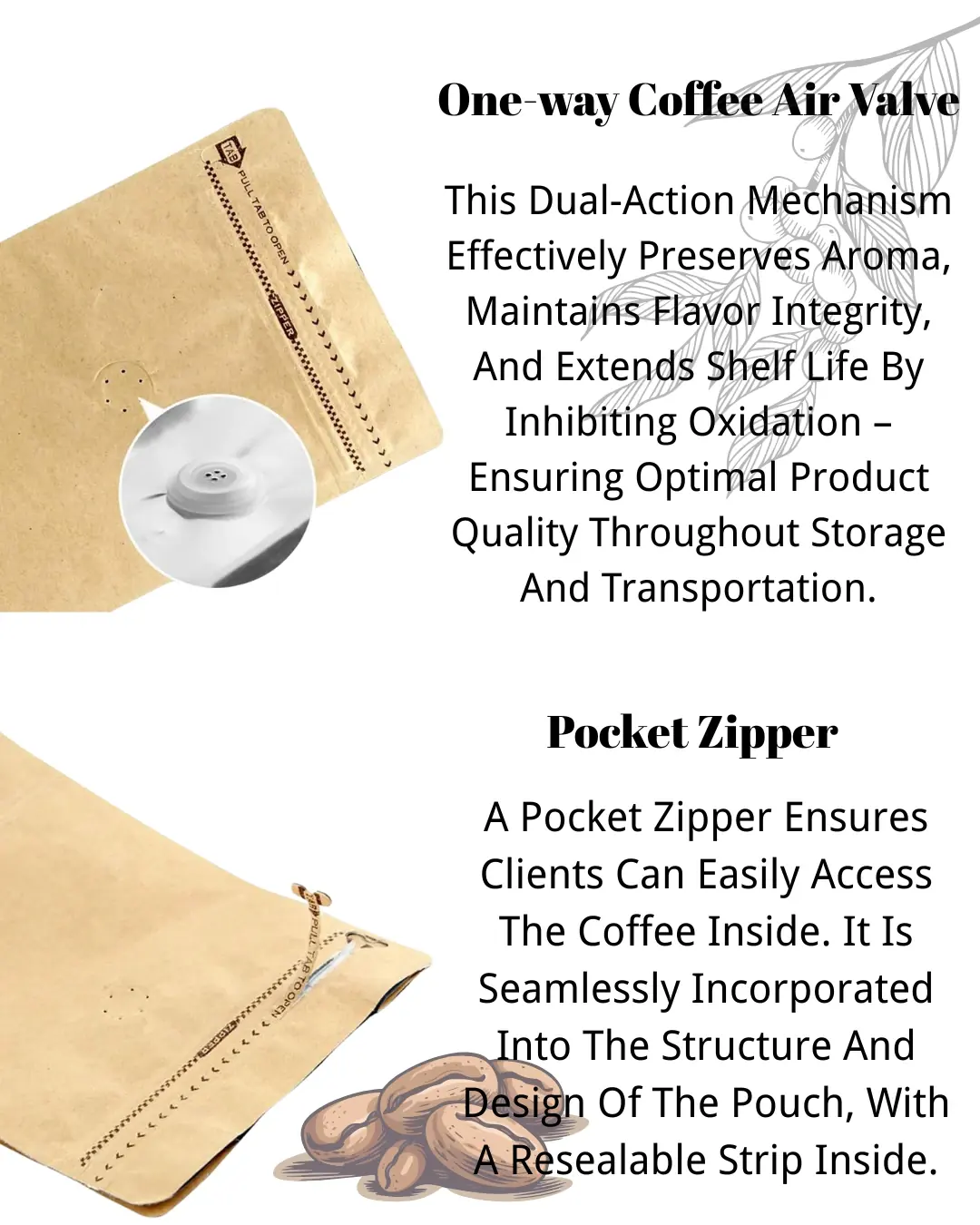
Most premium coffee bags use all three together. The factory heat seal protects the coffee through transit and on the shelf; the tear notch gives a clean opening point; and the zipper sits just below the seal as the everyday closure for the consumer. The zipper keeps working for dozens of open-close cycles, which is why it has become the default for retail coffee - especially ground coffee, which stales fastest once exposed to air.
When Tin Tie Is the Better Choice
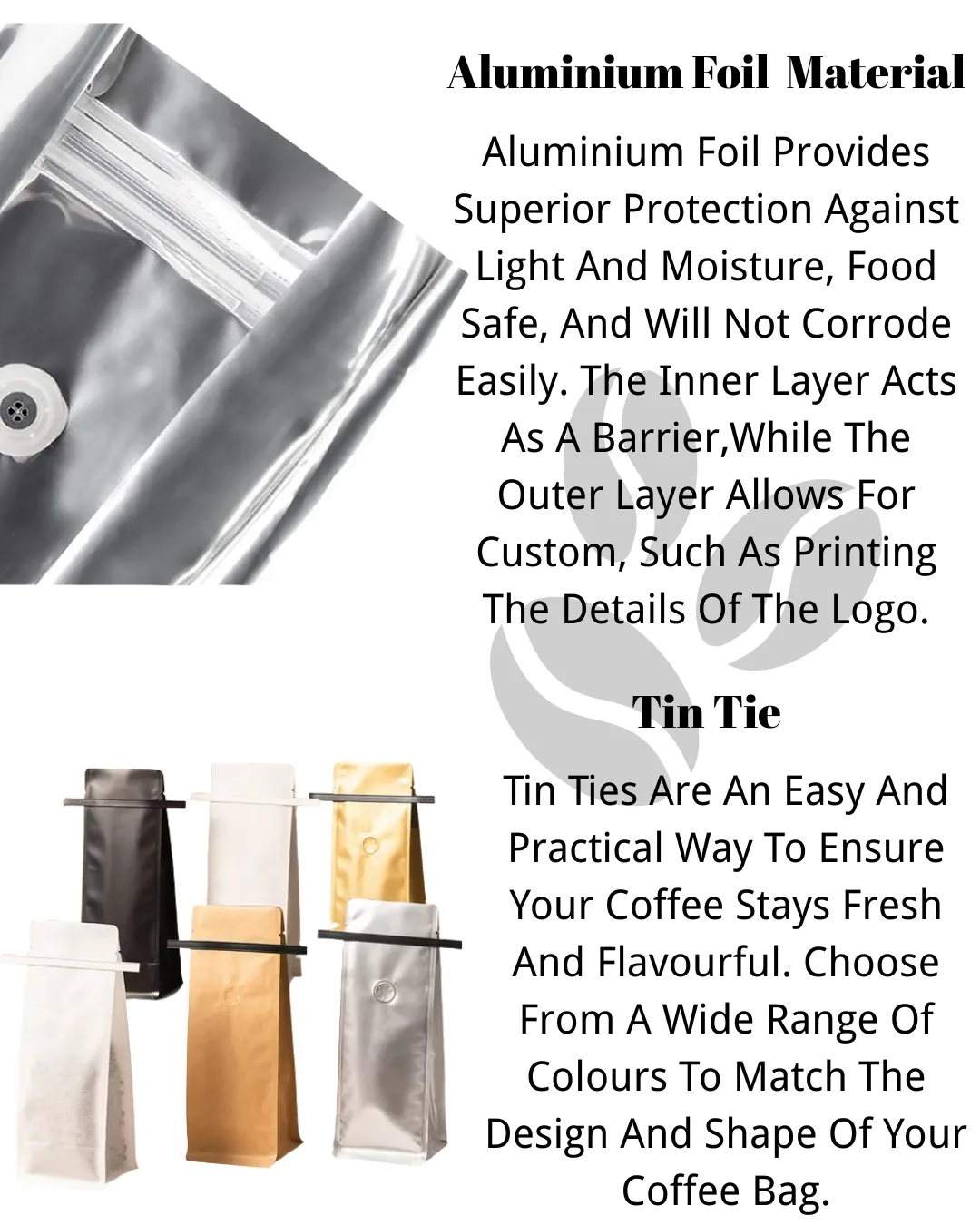
Tin tie - the folded metal strip you pinch the bag closed with - costs a few cents less per bag than a zipper and gives the traditional roastery look many café buyers prefer. It is a sensible choice when coffee turns over fast and the bag is emptied within a week or two. Its weakness is seal quality: a folded tin tie leaves small air gaps, and the metal fatigues after repeated bending. A common pattern among roasters is to split by channel - zipper bags for e-commerce and ground coffee, tin tie for weekly café deliveries in kraft paper coffee bags.
The Valve Works With Any Closure
A one-way degassing valve is not a closure - it lets CO2 out without letting oxygen in, which is what makes packing on roast day possible. It pairs with every option above; placement is the part that matters. Keep the valve on flat film away from seams and folds, roughly 40 to 50 mm below the top seal depending on bag size, and confirm the position at the dieline stage. Our roaster's valve guide covers the full ordering checklist.
Closure Mistakes That Cost Freshness
• Grounds in the zipper track: filling lines without a dust control step let fine particles lodge in the zipper, breaking the seal. Tell your supplier if you pack ground coffee.
• No tear notch: customers cut the bag above the zipper and throw away the resealable part.
• Barcodes across zipper or seal zones: the surface distorts and scanners fail - keep quiet zones on flat film.
• Bargain valves: a valve that sticks shut balloons the bag; one that stays open lets oxygen back in. Ask for burst-test data on valve batches.
FAQ
Which closure keeps coffee freshest after opening?
A press-lock or slider zipper, closed properly, comes closest to restoring the original seal. Tin tie is reusable but not airtight, so coffee in tin-tie bags should be consumed faster.
Can a coffee bag have both a zipper and a tin tie?
Yes - some wholesale bags combine them, with the tin tie for display and the zipper for storage. It adds cost per bag, so it usually suits premium café supply.
Do I need a zipper on 1 kg bags?
For café supply, a pocket zipper or tin tie both work. Zipper wins if the bag will be opened many times over several weeks.
Why did my bags arrive puffed up?
Either the valve is missing or it failed - CO2 built up inside the sealed bag. Ask your supplier for valve lot test data, and never fill fresh-roast coffee into a bag without a working valve.
Choosing between zipper, tin tie and valve combinations? Send us your sales channels - we offer free samples of each closure type so you can feel the difference before ordering. FOB Shantou.